Managing Debt

Understand how mental health can have an effect on debts, what to do if you find yourself in debt and ways to clear them.

Money and mental health

Key facts

It can feel like a vicious cylce

Poor mental health can make managing money harder.

Worrying about money can make mental health worse. 
Sign that your mental health is making managing money harder

You are stressed, worried or anxious
low mood or depression

low self-esteem or feelings of guilt and shame 
troubles sleeping

Signs that your mental health is worsening due to money worries

avoiding letters and bills

not eating, staying home or feelings of loneliness 
spending money excessively to lift your mood
unemployment or not being able to go into work


Click here to complete the “What is mental health” lesson with Lloyds Bank Academy


Click here to complete the “How money impacts mental health” lesson with Lloyds Bank Academy


Addressing needs around money and mental health

Don't be hard on yourself
Speak to someone
Take a moment

Click here to complete the “Getting support” lesson with Lloyds Bank Academy

Click here to complete the “How your bank can help” lesson with Lloyds Bank Academy

For more information about money and mental health, you can visit the following websites: 

Mind – Money and mental health

NHS – Money worries and mental health

What to do if you find yourself in debt

Key facts

1. Know that you are not alone

It is important you do not feel ashamed. Many people have found themselves in debt at some point in their lives and have been able to overcome it.

3. Get debt advice

It is important to get the right advice on how to reduce and clear your debt in a way that is manageable for you. There is plenty of help and support available.

2. Make a list of all your debt

It is important to make a note of all the debts you have including how much you owe, any actions taken by you or the creditor and when you started missing payments.
4. Review your budget

It is important to do this to see how you can maximise your income and make your money go further. This will also help to set up affordable payment plans.

Take immediate action

You should immediately contact your nearest Citizens Advice if you've received court papers, are facing eviction or are expecting bailiffs.


Priority and non priority debt

Why is knowing what debt/s to prioritise important?

If you have multiple debts, it is important to know that some debts have greater priority over others and must be dealt with first. Some debts have greater consequences such as:

  • having your supply turned off due to not paying your bills
  • being evicted from your home due to not paying your rent
  • receiving a court summons
  • getting large fines due to non payment
  • getting a visit from the baliffs
  • getting imprisoned in execeptional circumstances for non payment of council tax and TV Licence

  • What are priority debts? 

    priority debts are debts that have the most serious consequences if they are not dealt with. See below some priority debts that you should be aware of: 

    Home
    Rent arrears beause you might evicted.

    Phone_Internet
    Phone and internet bills if you rely on them becuase of a disability or for work.
    Repayment - White Background
    Missed payments to DWP or HMRC because they can take it from your benefits or wages.
    Council Tax
    Council Tax arrears because the council may take you to court.
    TV Licence
    TV Licence because you can be taken to court and fined if you are meant to pay.
    Tax 2
    Upaid Income tax, NI or VAT because they can take it from your wages.
    GasElectricity
    Unpaid gas and electricity bills because they may be cut off.
    Fines
    Court fines because you can be sent to prison if you have the money and do not pay.
    Agreement
    Hire Purchase agreeements if the goods are essential because they can take them back.
    What are non-priority debts? 

    Non-priority debts are debts that have less serious consequences if they are not dealt with. See below some non-priority debts you should be aware of: 

    Bank Account
    Credit card or store card debts
    Water
    Unpaid water bills as supply can't be cut off
    Catalogue Shopping
    online shopping or catalogue debt
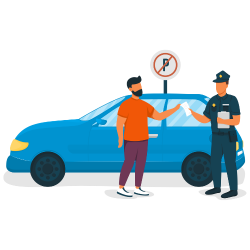
    Parking Fines
    Unpaid parking tickets
    Loan
    Unsecured loans such as pay day loans
    Sad friend
    Money owed to friends or family


    Click here to use the Money Helper bill prioritiser which can guide you on the bills to tackle first. 


    More information

    Take note!

    Whilst the consequences for non-priority debt are less serious, creditors can eventually take you to court or instruct baliffs to collect the money owed from you.

    Reclaiming bank charges

    You may be able to reclaim bank charges if you were/are in financial hardship, charged disproportionately or in a cycle of charges.

    Click here to find out more information.

    Debt owed to friends or family

    Try being open about your circumstances (if you feel comfortable doing so) and your plan on how you might clear your debt with them. They may be willing to wait for you to repay them.

    Let your creditors know if you are vulnerable

    By letting creditors know you are vulnerable you may be able to get additional support or time to sort out your debt.


    For more information on priority and non-priority debt and how to deal with them, visit the websites below: 

    Citizen’s Advice – Debts to deal with first

    Money Helper – How to prioritise debt

    For more information on dealing with debt, visit the websites below: 

    Citizen’s Advice – Debt and money

    Money Helper – Dealing with debt

    Money Saving Expert – Debt help plan

    Clearing your debt

    Budgeting for debt repayments

    1. Review your income and your expenses

    Take a look at the following guidances to see if there are ways you can increase your income and free up some money:

    Maximising your income to see whether you are getting all the benefits you are entitled to.

    Making your money go further to see how you can budget your money better, cut costs and save money on essentials.

    2. Re-do your budget factoring in any savings you can make and your priority debt repayments

    3. If you still have money left, see how much you can put towards non priority debts

    Utilities

    For minor utility debts, these are some actions you can take to clear them:

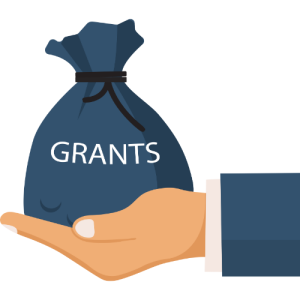
    Grants

    Click here to explore grants available with your utility supplier. It is usually available if you are on a low income or are on benefits. 

    Set up a payment plan

    Set up a payment plan that is affordable for you. 

    Keep in contact if you are struggling to keep up with repayments

    If you are unable to make a payment, contact your supplier to advise them of this and when you will be able to make the next payment. 


    Contacting creditors

    When to contact creditors about debt

    Before you contact any creditors:

  • It is advisable to speak to a debt adviser before taking any steps because they can give you in depth guidance on how to handle your debt
  • Review your budget as mentioned above
  • Explore any grants or financial support you can get

    Once you have done this:
    1. contact who you have priority debts with first to let them know what steps you are taking to clear your debt.
    2. You can then contact those you have non-priority debts with to advise what payments you can make or if you can't why that is.

    Click here to get more guidance on communicating with creditors.

  • Take note!

    It is important to get debt advise first because in some cases you may not need to do anything. For example for some debt, creditors have a limited time to take you to court to recover the debt; this is usually 6 years. The time limit starts again if you make contact with them. Therefore:

    Don’t contact the creditor if:

  • it’s been over 6 years, because they might not be able to force you to pay
  • it will soon be 6 years, because contacting them might restart the time limit

  • Bailiffs

    Key facts

    Receiving a "notice of enforcement"

    if you do not pay off your debt you may recieve a "letter of enforcement" from the bailiffs to collect the money owed and charge additonal fees for collection. 

    Checking the documentation

    A valid notice will include the correct name, address, debt, amount owed, give you at least 7 days notice before a bailiff visit and be written in a certain legal style.

    Contact Citizen's Advice for more guidance.

    If you don't owe the debt

    You won't need to pay anything if the debt belongs to someone else or you have already paid the debt in full. Gather as much evidence as possible and send it to the bailiffs.

    If you are vulnerable

    If you are vulnerable, they shouldn't access your property if you're alone and take property vital for your health. They should give you extra time to make a payment offer and ensure communication is accessible for you.

    Click here for more information on who is considered vulnerable and what you can do.

    What they can and can't take

    If you let them in, they can take your property. Even if you don't let them in they can still take things that belong to you outside of your home like your car, talk to you, collect payments and give you documents.

    They can't take property like:

  • things belonging to other people
  • pets
  • vehicle or equipment needed for work or studying
  • a motability vehicle or a vehicle with a disabiity badge
  • property attached to something that could cause a lot of damage if removed
  • things you use for basic domestic needs

    Click here for more information.


  • Actions you can take

    Do not ignore a notice of enforcement

    Let them know you are vulnerable

    Make a payment if you can or try to negotiate a reduced payment
    Be prepared for the visit

    Stop some of the bailiffs coming to your home if multiple debts are being collected
    Complain if the bailiffs do not follow the rules


    Click here to find out more information on actions you can take.