

Learn more about how to make your money go further including budgeting, cost saving tips and what to do when things get tough!
Budgeting helps you keep track of your money and spending.
Budgeting helps you to decide what you spend your money on.
Budgeting helps you to plan for things you want without affecting the things you need.
Budgeting gives you greater freedom and independence.
Budgeting ensures your money lasts till you next get paid.
Assessing what is essential and what is not essential is an important part of being able to budget your money.
Essential spending
Essential spending includes necessary costs that are key to maintaining a basic living standard. It includes things like:
Non-essential spending
Non-essential spending includes things that we want and are beneficial for our quality of life but are not vital for survival. It includes things like:
A single TV Licence covers all of the following in a single property:
You must have a TV Licence if you:
You do not need a TV Licence to watch:
You can be fined up to £1,000 if you watch or record live TV without a TV Licence.
There are many ways to make payments for your bills. Click here to view the payment methods factsheet.

If you are getting benefits such as Personal Independence Payment (PIP), Housing Benefits, State Pension, Pension Credit, Attendance Allowance you will be paid every 4 weeks. Universal Credit is usually paid monthly.
For most people working you will be paid on a monthly basis, however, it is possible you are paid daily, weekly or every other week depending on the employer and your contract.
Bills such as Council Tax, rent, phone contracts, energy and water bills (unless you are on a pay as you go meter) are paid monthly.
If your income (including work and benefits) and bills are paid on a more frequent basis it might be best to budget fortnightly.
Make a note of how much money you have coming in from benefits and/or work.
Make a list of all the things you need to pay for on an ongoing basis.
Think about what things are wants and what things are needs.
Think about what may be one off expenses that you have every now and again.
Have at the ways to save money sections for tips on how to make your money go further.

Saving money can mean putting money away:
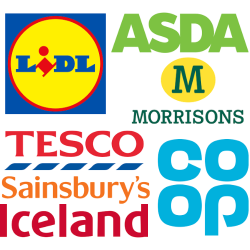
Many supermarkets have loyalty schemes you can sign up to that offer discounts and money off vouchers the more you shop with them. To find out more information click here.
Food waste sites/apps sell surplus food at a reduced price!
Too Good Too Go | Olio | Karma
When buying items from community groups be vigilant of scams and do not transfer or hand over any money until you have seen the item you want to purchase and are happy with it.
To get the best value for money on things like energy bills, broadband, mobile phones (including contracts), general shopping etc comparing prices is important.
Find out more information about price comparison websites here.
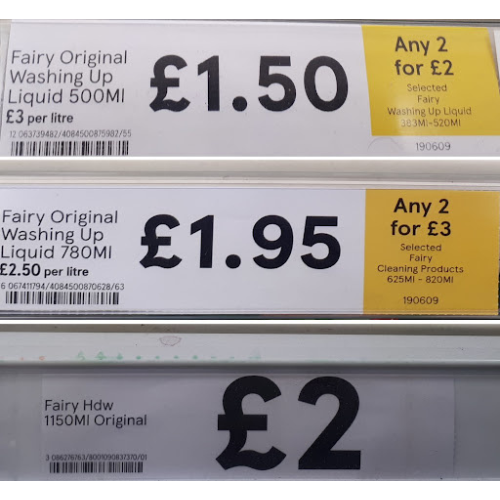
Using unit pricing ensures you are getting the best value for money by breaking down the price of an item using a standard measure such as weight (i.e. per 100g), volume (i.e. per 100ml) or quantity (i.e. per item).
Watch the videos below to find out more information about unit pricing or click here.
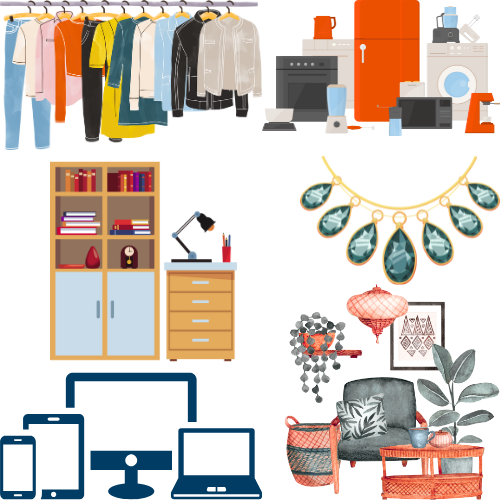
Selling items you are not using anymore can be an easy and quick way to give you some extra cash and declutter your home. For more information about selling unwanted items click here. These are some places you can sell unwanted items:
Find some of your local charities here.
You can sell items such as gadgets, phones, furniture, appliances etc to shops and on various online platforms such as Facebook Marketplace, Vinted, Ebay, Depop etc.
For more information on online selling platforms click here.
You may need to report money you make selling personal posssession via online marketplaces or social media. You may need to be pay income tax depending on how much you earn selling your personal possessions and if you sell them for a profit (more than what you initially paid for them). Please see below key facts about the 'side hustle' tax:
Posessions can include clothes, furniture, jewellery, gadgets and appliances.
If the items (of your personal possession) you sell are under £6000, you will probably not have to report the earnings or pay any tax.
If you sell a personal possession for £6000 or more and you have made a profit (more than what you initally paid for them), you may need to pay Capital Gains Tax.
Online platforms such as Ebay, Etsy, Depop, Vinted etc are required to report to HMRC sellers who sell more than 30 items a year or earn more than €2000.
GOV.UK – Check if you need to tell HMRC about your income from online platforms
Money Helper – Will I have to pay ‘side hustle tax’ when I sell items online?
Try selling your items via community groups and facebook marketplace first.
The first step to planning a budget is knowing your income and outgoing. Have a go doing the following:
Make a list of how much you get from the following where applicable:
Make a list of all the things you need to pay for on a weekly to montly basis:
Is there anything you need or want to buy this month that you wouldn’t buy every month? Make a list of them and how much they will cost.


They are community organisation that can support with food parcels if you are struggling to afford the food you need.
Most food bank will have a referral process. You can be referred by Citizen’s Advice. You might also be able to get a referral through a support organisation (such as St Mungo’s), housing association, your GP or your local council.
You might be able to access food banks without a referral such as one run by a local church.
When you are referred, you will usually get a voucher and where the nearest location is.
Check whether there is a validity period on the voucher!
If you need to access the food bank again, you will need to be referred again. Some food banks have limits on the number times you can visit.
Here are some links to some information about food banks:
Trussel Trust – Emergency food
Some councils are able to provide one off grants to support with unexpected costs such as:
Councils decide how to run their schemes. There may be differences in:
For example, some councils share out money through local charities and community groups and some limit household applications to one per year.
Check with your local council to find out what support is available.
© St Mungo’s 2026