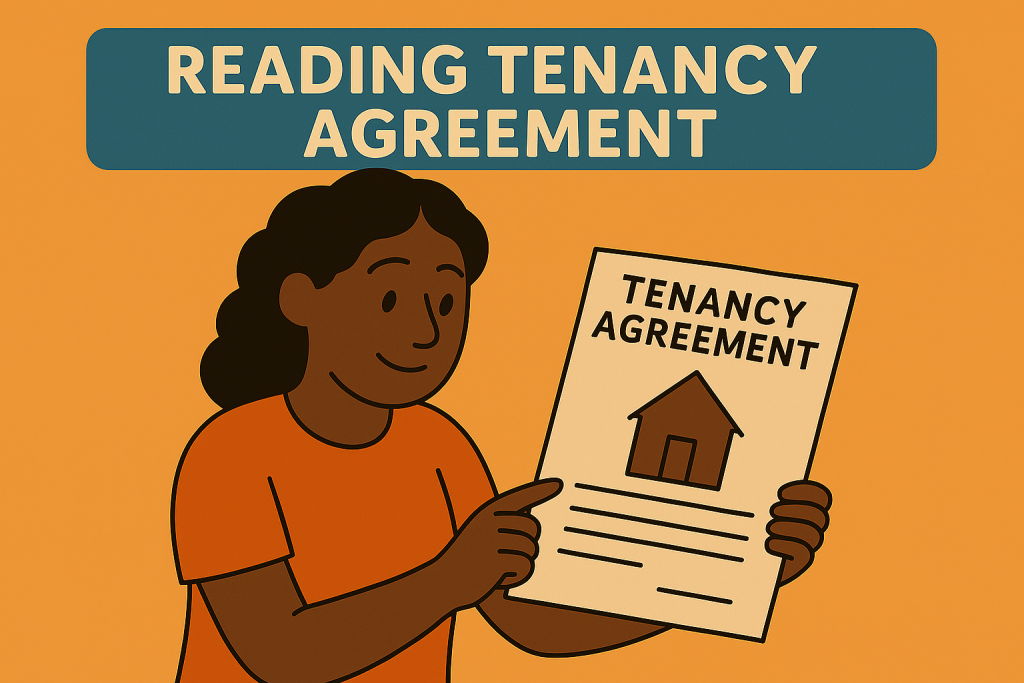
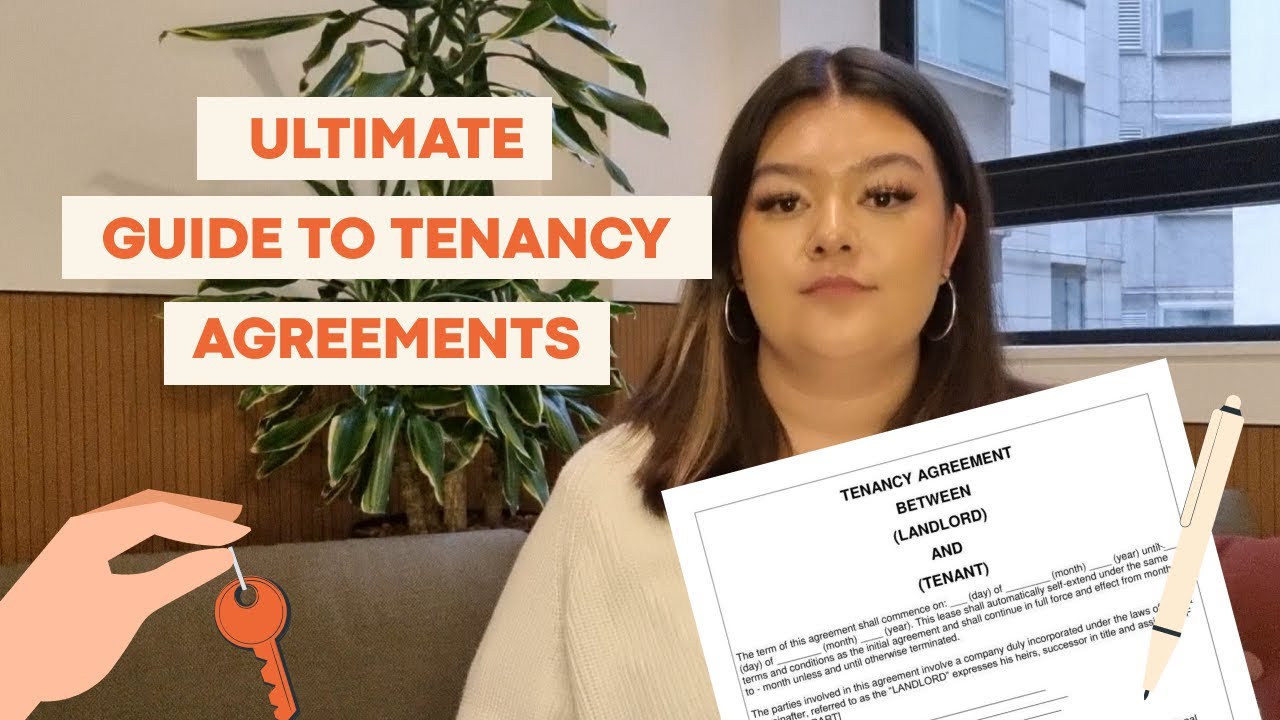
A tenancy agreement is a legal contract between a landlord and tenant that sets out: The terms of renting a property. Rights and responsibilities of both parties. Conditions for ending the tenancy.
It can be written or verbal, but written agreements are strongly recommended for clarity and legal protection.
Reflections
Do you currently have a tenancy agreement or contract for your home? Do you know your rights? Do you know what is expected of you?
Quick Tips
Learn your tenancy type. Read the agreement carefully before signing.
What is a Tenancy Agreement?
A tenancy agreement is a legal contract between a landlord and tenant that sets out:
The terms of renting a property
Rights and responsibilities of both parties
Conditions for ending the tenancy
It can be written or verbal, but written agreements are strongly recommended for clarity and legal protection.
Key Components of a Tenancy Agreement
According to GOV.UK and legal experts, a valid tenancy agreement should include:
Names of all parties (landlord and tenant)
Property address
Start date and duration (fixed-term or periodic)
Rent amount and payment schedule
Deposit details and protection scheme
Responsibilities for repairs, bills, and maintenance
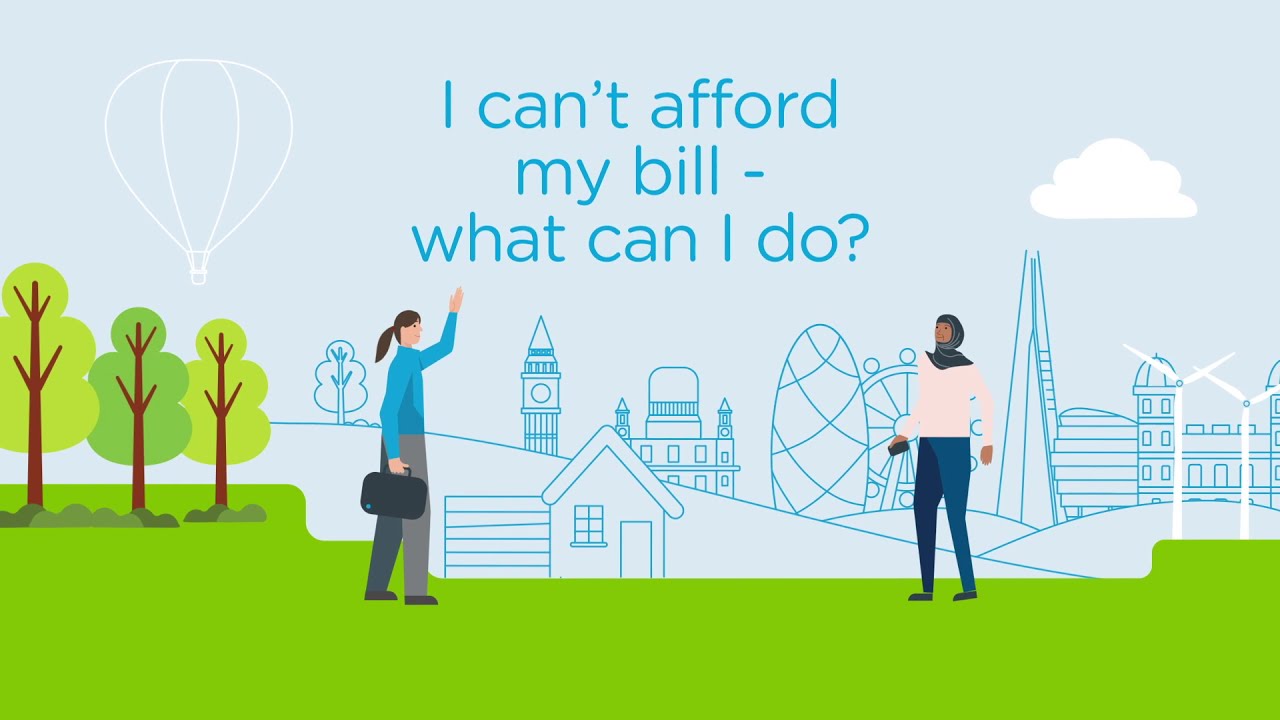
When you live in a property, you are usually responsible for paying utility bills unless your tenancy agreement says they are included in your rent. These are essential because they cover your gas, electricity, and water usage.
Reflections
What bills do you currently pay? What is covered under your housing agreement? Where can you save money?
Quick Tips
Learn about the different types of meters. You can choose your own suppliers. Set up Direct Debits to make payments easier.
Utility Bills (Gas, Electricity, Water)
When you live in a property, you are usually responsible for paying utility bills unless your tenancy agreement says they are included in your rent. These are essential because they cover your gas, electricity, and water usage.
Finding the right supplier
Most tenants can choose their own gas and electricity supplier. This means you can shop around for cheaper deals.
Comparison websites such as Uswitch or MoneySavingExpert can help you find the best tariff.
Sometimes, if you live in supported housing or a house of multiple occupation (HMO), bills may be included in your rent. Always check your tenancy agreement.
Reading your meter
Your gas and electricity meters record how much energy you use. If you don’t have a smart meter, you may need to give your supplier regular readings so you don’t get overcharged.
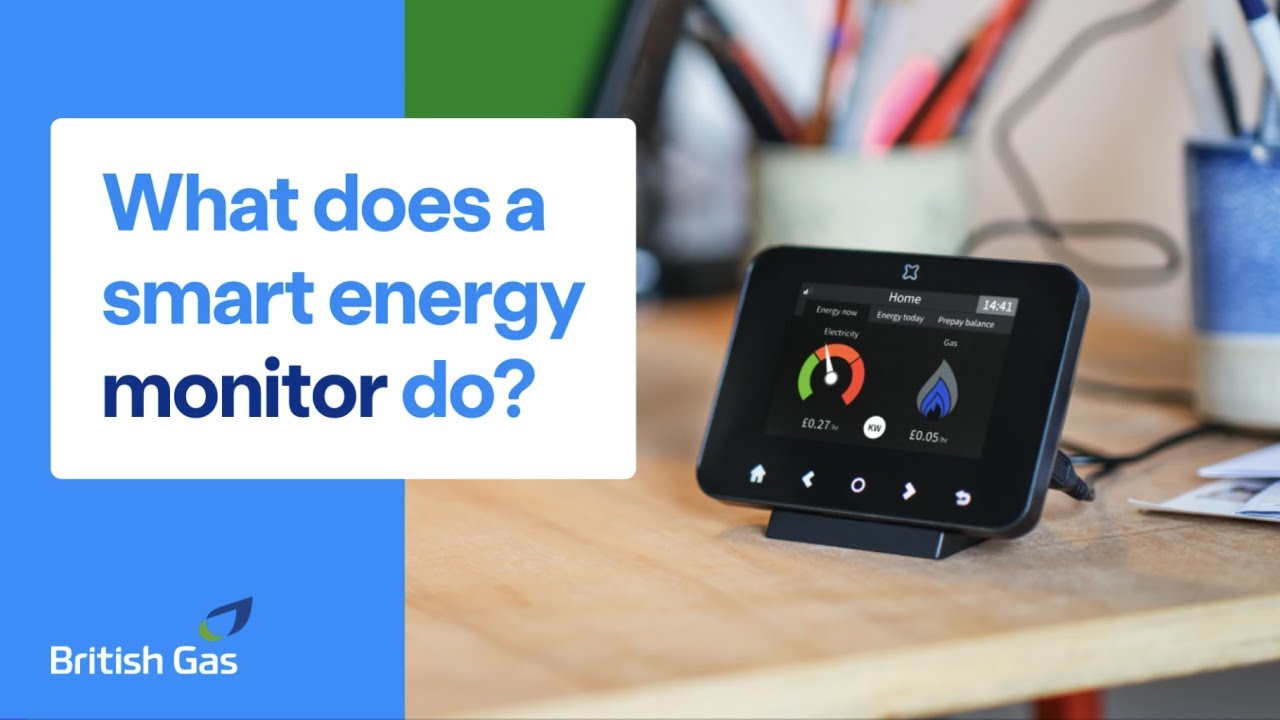
A smart meter automatically sends readings to your supplier, and you can see how much energy you are using in real time.
Setting up payments
Direct Debit is usually the cheapest and easiest way to pay, as your bills are taken automatically each month.
Prepayment meters let you top up with a card or key, but they are usually more expensive and can leave you without energy if you run out of credit.
Financial support
If you are struggling to pay your bills, support may be available:
Warm Home Discount – a one-off payment to help with energy costs.
Winter Fuel Payment – for people over pension age.
Cold Weather Payment – extra help during very cold periods (for people on certain benefits).
You can also contact your supplier for a repayment plan or check with charities like Citizens Advice.
Did you know you can talk to your energy providers and let them know you are on a low income?
Did you know about how different smart meters can help you save money?
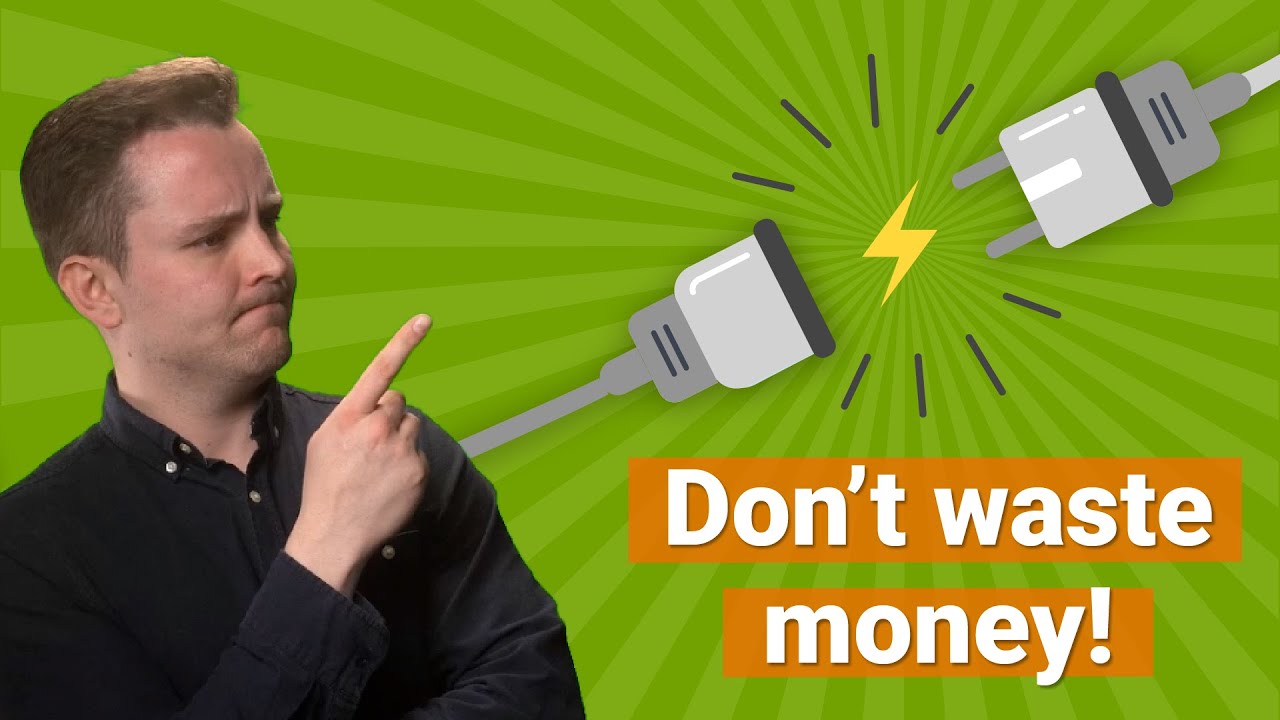
Do you practice energy-saving?
Easy steps towards energy saving
Small changes can make a big difference:
Turn off lights when you leave a room.
Don’t leave appliances on standby.
Only boil as much water in the kettle as you need.
Use energy-efficient lightbulbs.
Understanding your service charge
Introduction
A service charge is a payment for services that go beyond just renting the property. These services are usually related to the upkeep and management of shared spaces.
Reflections
Quick Tips
Common Services Covered:
Cleaning and lighting of communal areas (e.g. stairwells, hallways)
Gardening and grounds maintenance
Building insurance (for leaseholders)
Repairs and maintenance of shared facilities
Heating and hot water (if communal systems are used)
Lift maintenance, rubbish chutes, entry systems
Security (e.g. CCTV, door entry systems)
Management/admin fees for organising these service.
Types of Service Charges
Fixed Service Charge
Set amount, agreed in the tenancy or lease
Doesn’t change based on actual costs
Variable Service Charge
Changes depending on actual costs incurred
Landlord must give notice of changes
Easy steps towards managing your service charge
Make sure you know how much is due each week or month
Set up a direct debit that comes out of your benefits to ensure you don’t miss a payment
Let your landlord know if you can’t afford the service charge
Understanding your renter's rights
Introduction
It's extremely important to know what your rights are regardless of what kind of accommodation you live in. This next section will give you a general overview of your renter's rights.
Reflections
In the past did you know your rights? What about in your current accommodation? Why is it important to know your rights?
Quick Tips
Always Get a Written Tenancy Agreement. Know Your Deposit Rights. Report Repairs Promptly. Challenge Unfair Rent Increases. Eviction Requires Legal Notice.
As a tenant, you have the right to:
live in a property that’s safe and in a good state of repair