This section is here to support you to develop ways to keep your space clean, tidy and safe so that you can feel comfortable and happy at home.
Reflections
What makes a home? Why is maintaining your home a good thing? Do you feel that you keep your home clean currently? What can you improve on?
Quick Tips
Choose a task a day to work on. Have multi-purpose spray and kitchen roll for spills or dust. Focus on the areas that get dirtier quicker.
Why is it important to maintain your home?
Maintaining your home matters because it can impact your physical and mental health. For example, rubbish can attract insects that can make you sick. Mess can make you feel unstable and anxious. If your room becomes too cluttered it can lead to fire risks or blocking your exit.
Understanding the purpose of a clean room and reduce germs and bacteria, smells and pests.
A tidy flat reduces risk of accidents. Small steps each day avoids the build up of mess.
Understanding the difference between daily, weekly and monthly routine cleaning.
Creating a cleaning kit: gloves, facemask, multi-purpose anti-bacterial spray, kitchen spray (limescale or metal surfaces), washing up liquid and sponges, bathroom spray, bleach, bathroom sponges (different colour from kitchen ones), vacuum cleaner and mop (borrow from staff?). Open all windows when cleaning for air flow.
Do you think it’s important to clean your home like this?
What is clean to you?
Easy steps towards cleaning your home
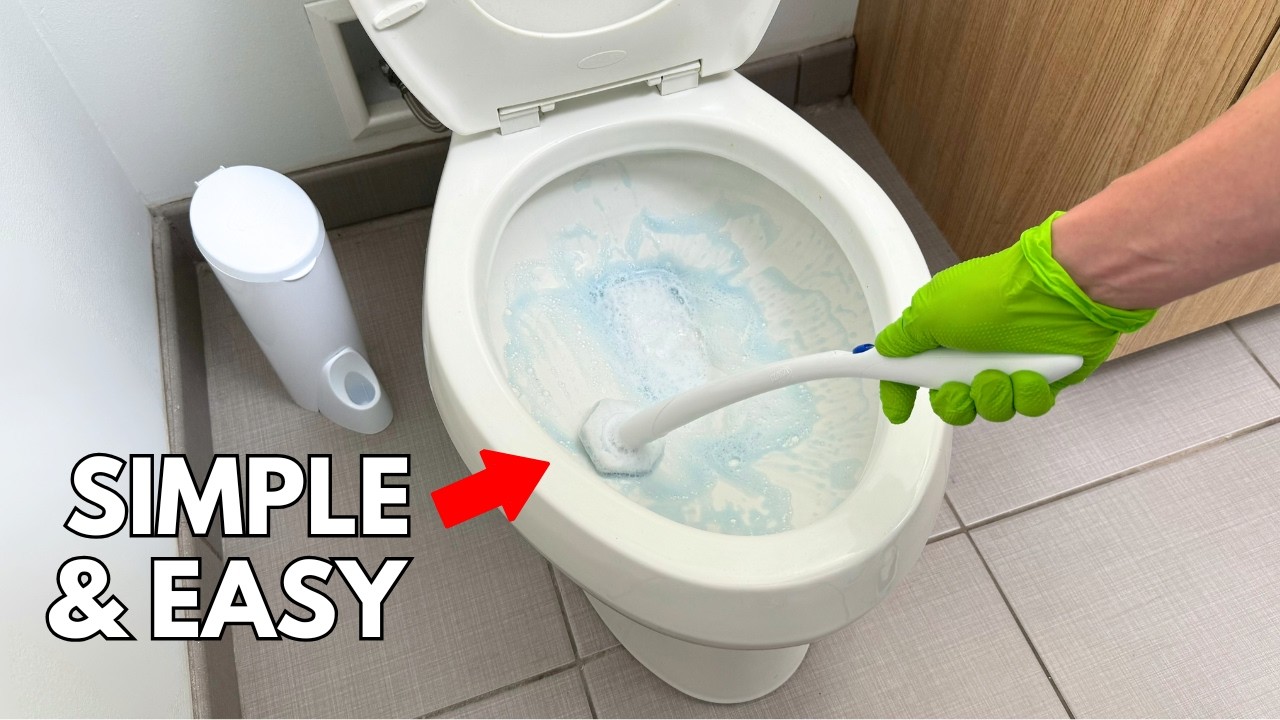
Decide on routine household chores: priority areas (bathroom and kitchen), dishes, worktops, vacuuming, mopping, changing bed linen, disposing of rubbish, unclogging toilet, windows, decluttering, recycling, de-scaling bathroom, using the right cleaning products.
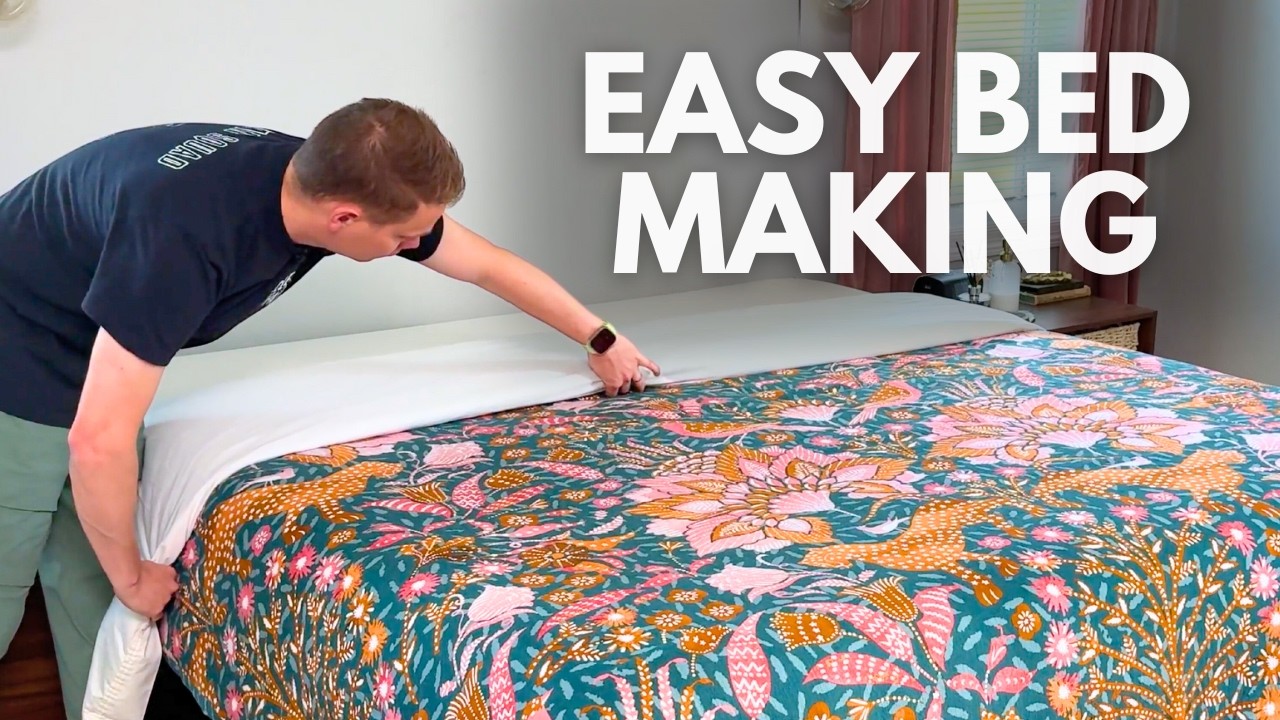
What can you do daily? (making bed, dishes, opening curtains, taking the rubbish out), weekly (vacuuming, mopping, clean bathroom, laundry), fortnightly (washing and drying sheets, duvet, pillowcases), monthly (buy more supplies), what day is your rubbish collected?
How can storage help? Organise food by expiry, safe storage of food, temperature, fruits and vegetable storage, defrosting, avoiding cross-contamination and hazardous substances
Dealing With Household Pests
Introduction
Living in a clean and safe home is important for your health and wellbeing. Sometimes, pests like mice, cockroaches, or bedbugs can appear, especially in shared or rented housing. This section will help you understand how to prevent pests, spot signs early, and deal with them safely.
Reflections
Have you ever had to deal with pests in your home? What do you think causes pests to appear? How have you taken care of them before? How can you prevent them from returning?
Quick Tips
Lorem ipsum dolor sit amet consectetur adipiscing elit dolor
Why is it important to deal with household pests?
Pests like mice, cockroaches, and bedbugs can cause health problems and damage your home.
What would you do if you spotted a pest in your home?
Who would you contact for help?
Easy steps to keep your home pest-free
Keep food sealed and surfaces clean
Take bins out regularly and avoid overflowing
Seal cracks and gaps where pests can enter
Report issues to your landlord or housing officer
Avoid clutter that gives pests places to hide
Making Basic Home Repairs
Introduction
This section will help you understand basic repairs, your responsibilities, and how to get help when needed.
Reflections
Have you ever had to fix something in your home? What repairs do you think tenants are responsible for? What repair would you call someone else to help you with?
Quick Tips
Lorem ipsum dolor sit amet consectetur adipiscing elit dolor
Why is knowing how to make basic home repairs important?
Knowing how to fix small issues helps you stay safe and avoid bigger problems.
What would you report to your landlord or housing officer?
Easy steps for home repairs
Learn which repairs are safe to do yourself (e.g. tightening a loose handle)
Keep basic tools like a screwdriver, plunger, and sealant
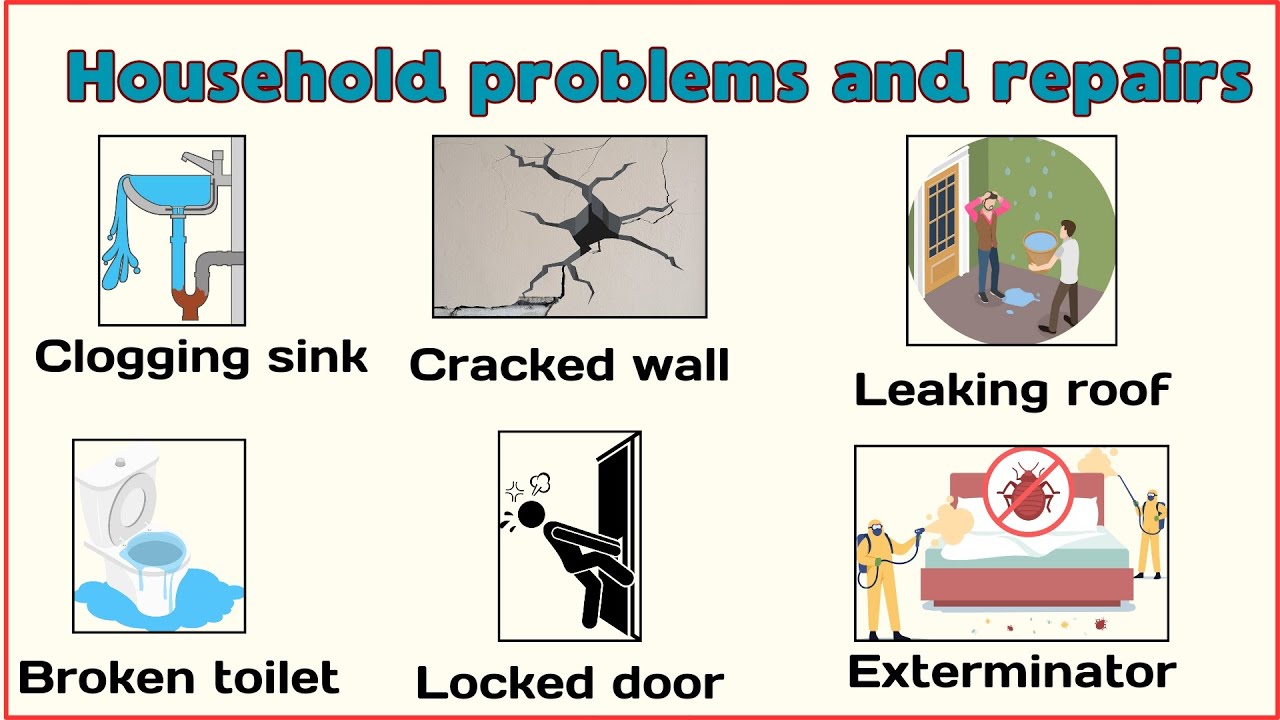
Report serious issues early (e.g. leaks, mould, broken heating)
Take photos of damage before and after reporting
Know your tenancy rights and responsibilities
Sort your rubbish
Introduction
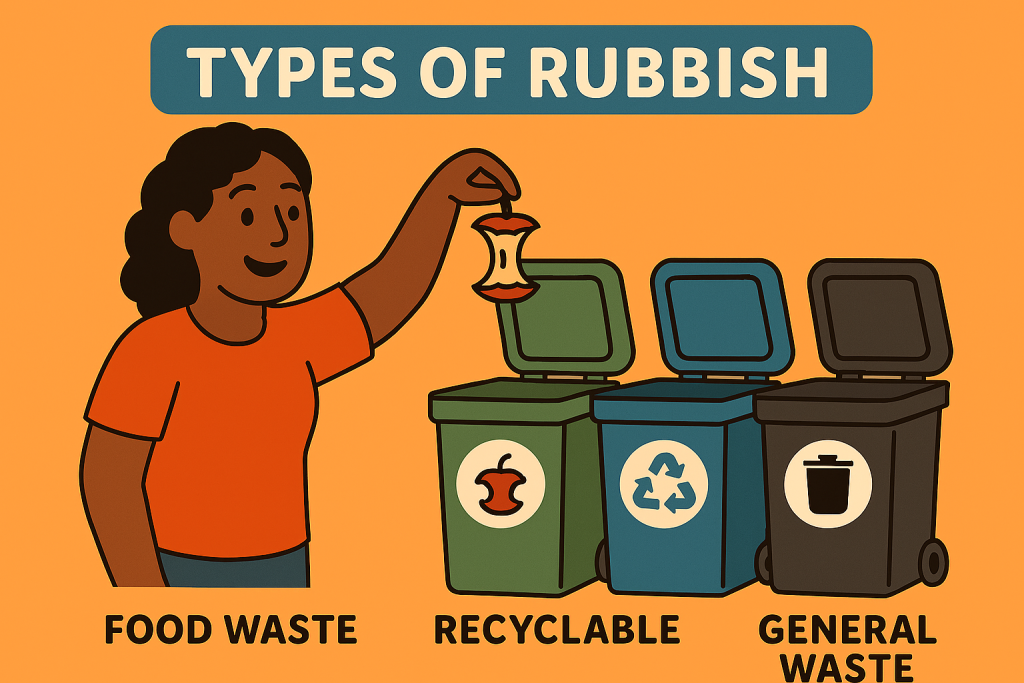
This section will help you understand the different types of rubbish, how to sort it, what goes in each bin, and how to avoid common problems like missed rubbish collections or fly-tipping.
Reflections
What bins do you have at home? Do you know what goes in each bin? What's the difference between regular rubbish and recycling?
Quick Tips
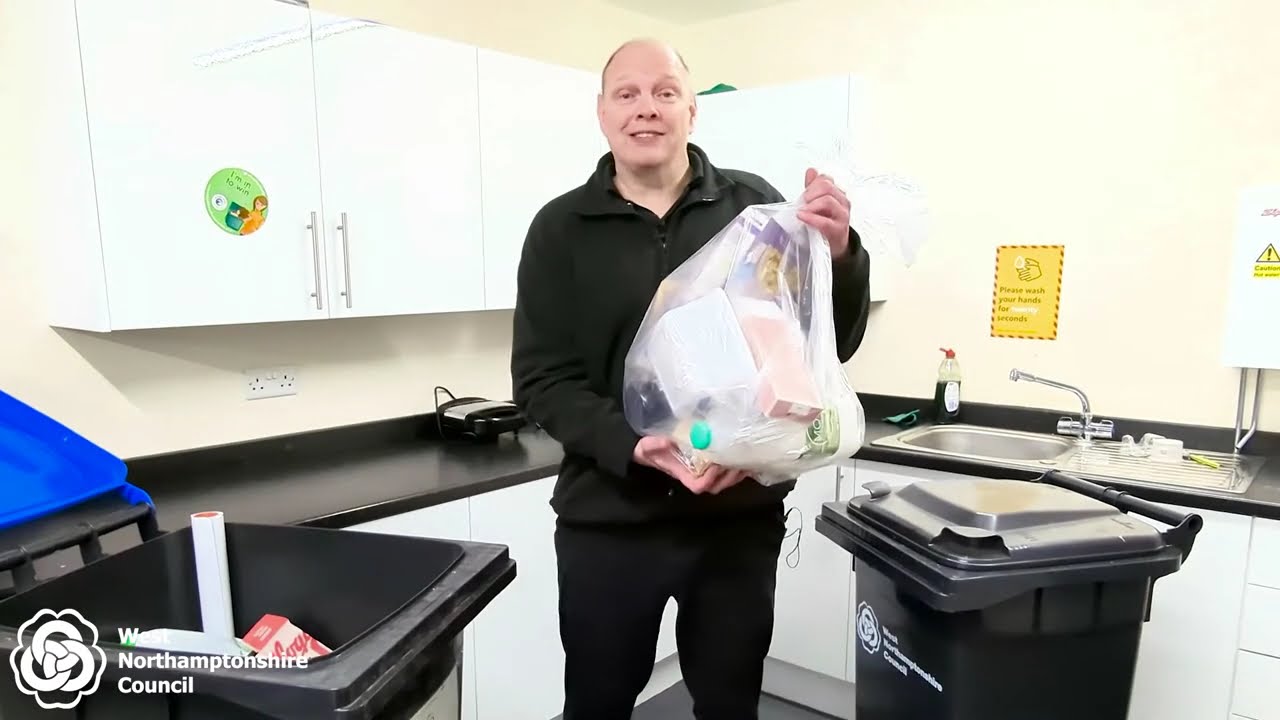
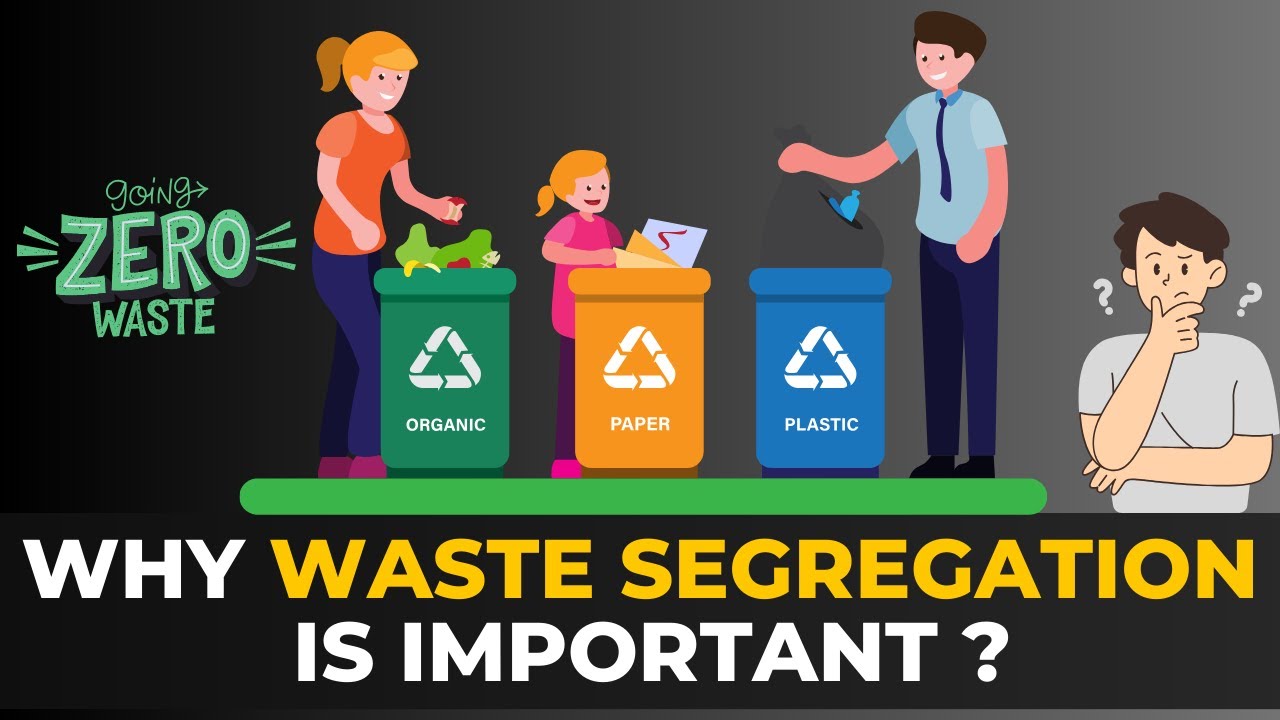
Get separate bins for each type of rubbish: general, glass, plastic, cardboard.
Report missed collections or fly-tipping to your council
Complete your laundry
Introduction
This section will help you understand how to wash different types of clothes, use machines safely, and avoid common mistakes like shrinking or colour runs.
Reflections
How confident do you feel doing laundry? What do you find confusing about washing clothes? Do you put aside money for laundry supplies or to pay for a laundrette? How often do you wash your clothes?
Quick Tips
Buy detergent and fabric softener before laundry day. Sort colours and whites into 2 separate piles. Have a drier or clothes horse set up in your home or spare change to use the machines.
Hygiene and Health
Removes bacteria and germs: Clothes, especially underwear, socks, and workout gear, can collect sweat, skin cells, and bacteria. Washing them regularly prevents odor and infection.
Reduces allergens: Dust mites, pet dander, and pollen can settle on clothing, sheets, and towels. Regular washing helps reduce allergic reactions and respiratory issues.
Personal Appearance and Cleanliness
Maintains a clean look: Clean clothes look sharper and smell fresher, contributing to a neat, well-groomed appearance.
Avoids stains setting in: Washing regularly helps prevent stains from becoming permanent, which can happen if clothes sit too long before being cleaned.
Clothing Longevity
Prevents fabric damage: Sweat, body oils, and grime can degrade fabrics over time. Regular washing (with proper care) can extend the life of your clothes.
Catches wear and tear: When doing laundry, you may notice small tears or damage before they get worse.
Bedding and Towels
Improves sleep and skin health: Clean sheets and pillowcases help prevent skin breakouts and provide a more comfortable, hygienic sleeping environment.
Prevents musty smells and mildew: Towels that aren’t washed frequently can develop mildew, which smells bad and can cause skin irritation.
Mental and Emotional Wellbeing
Reduces clutter and stress: Piles of dirty laundry can create visual and mental stress. Staying on top of it can make your living space feel calmer and more organized.
Encourages routine and discipline: Having a regular laundry routine helps build structure in your weekly habits.