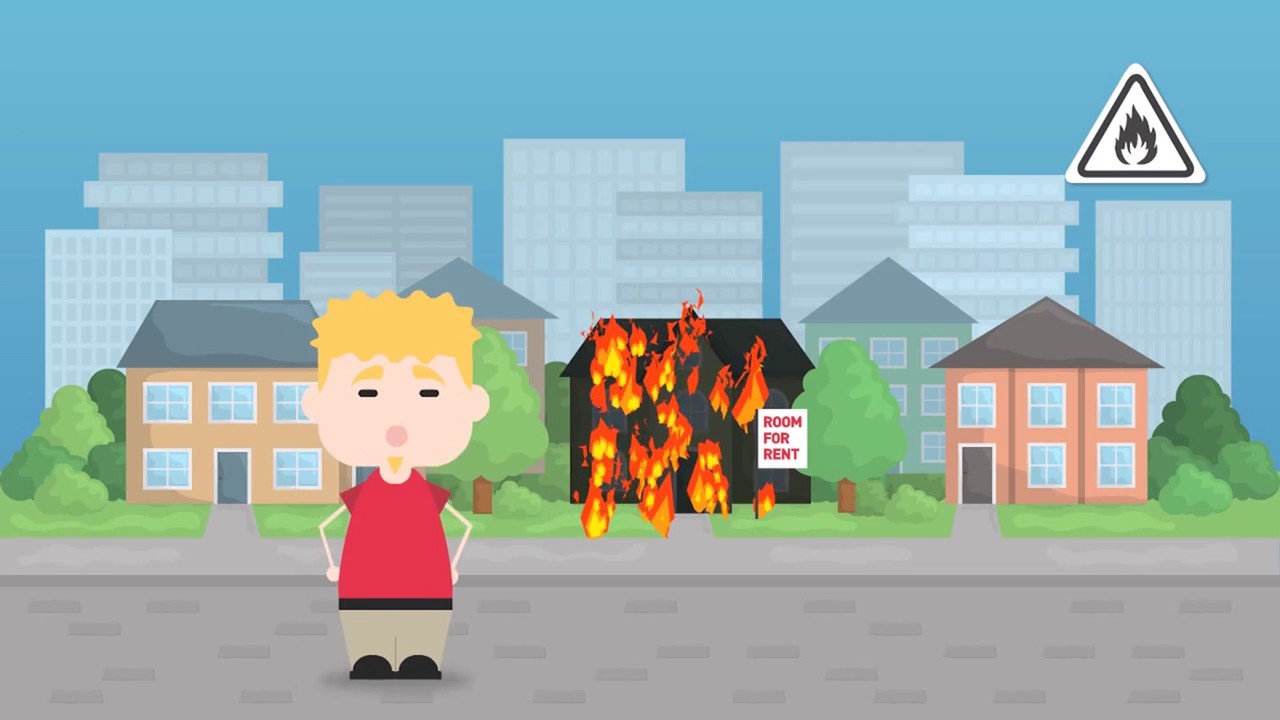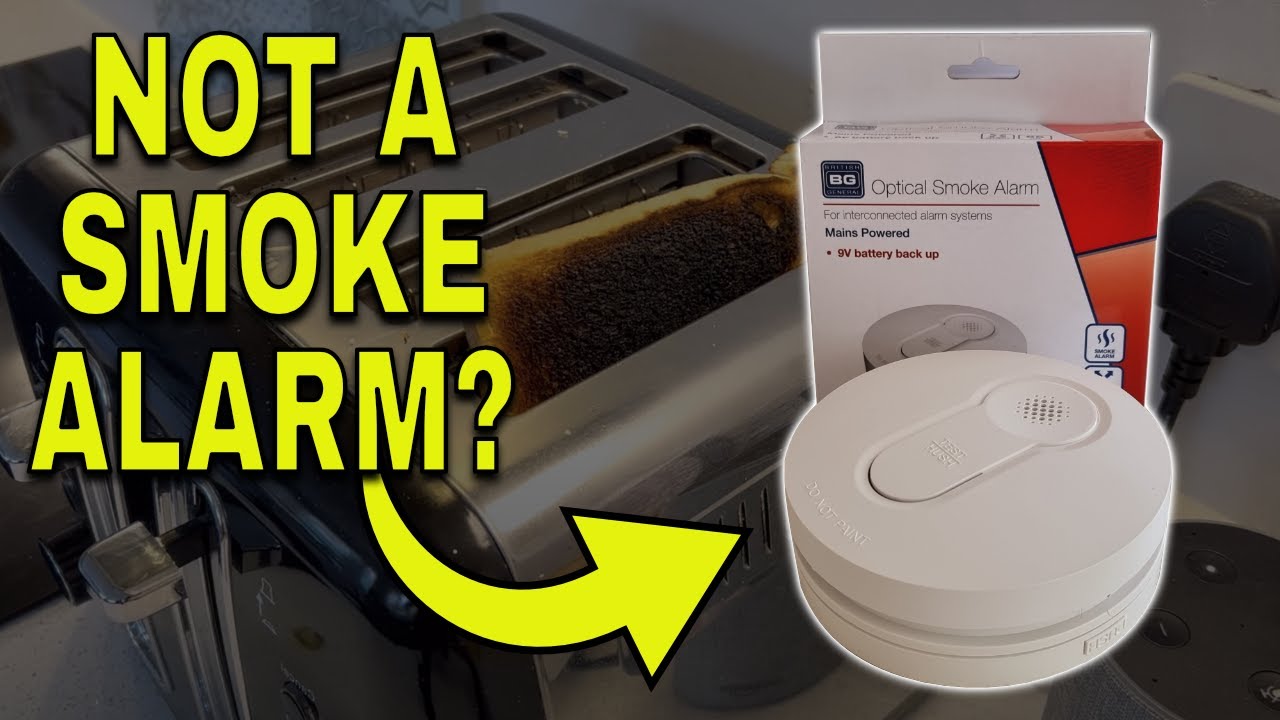
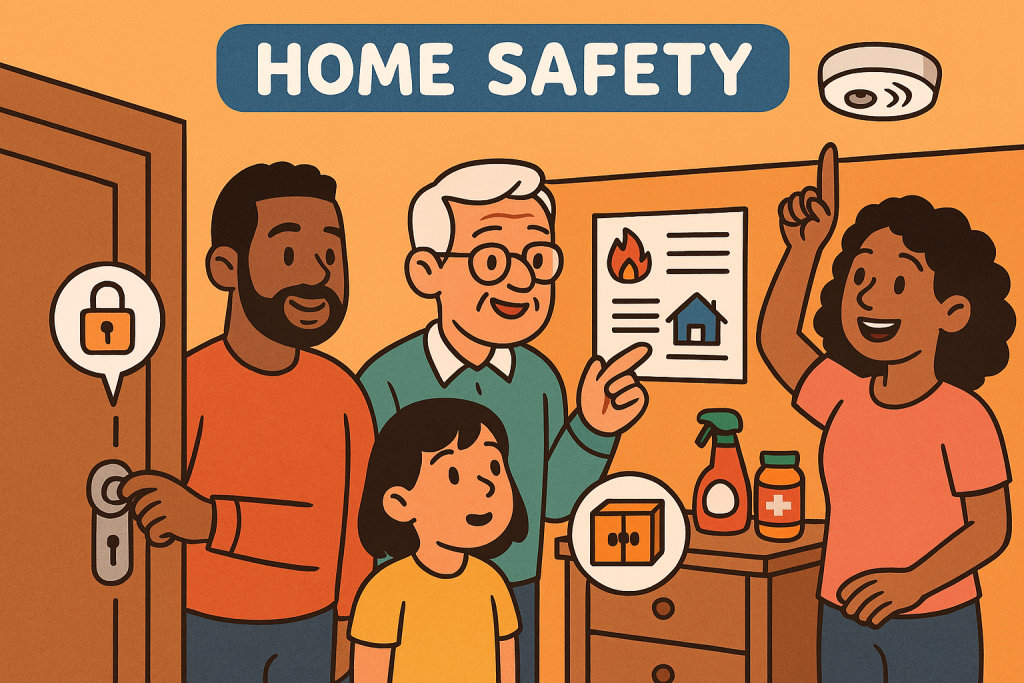
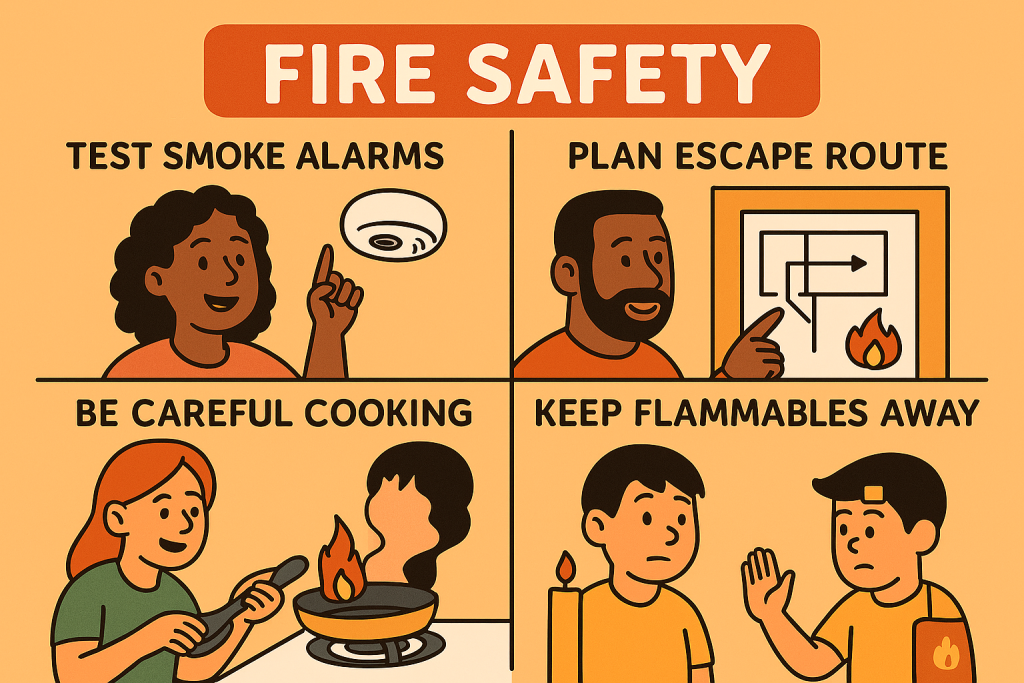

Smoke Alarms Detect smoke from fires. Should be installed on every floor. Can be battery-powered or hardwired. Some models include heat sensors for kitchens.

Detect carbon monoxide gas, which is invisible and deadly. Required near boilers, gas fires, and solid fuel appliances. Should be placed at head height, not on the ceiling.
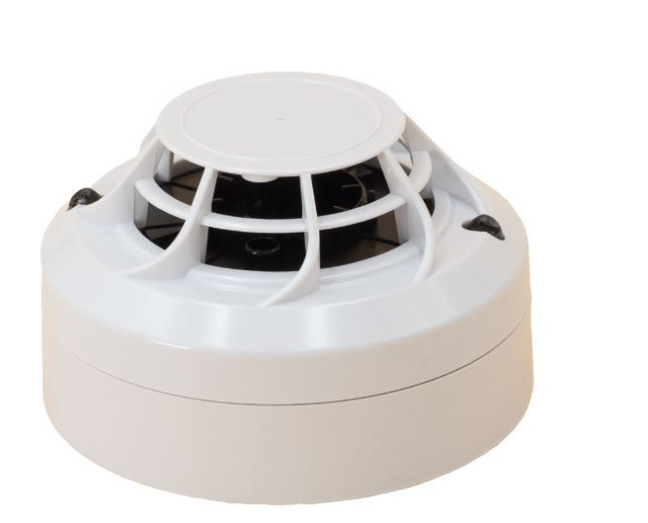
Detect rapid temperature increases, not smoke. Ideal for kitchens, where smoke alarms may trigger falsely. Often used alongside smoke alarms. Burglar/Intru
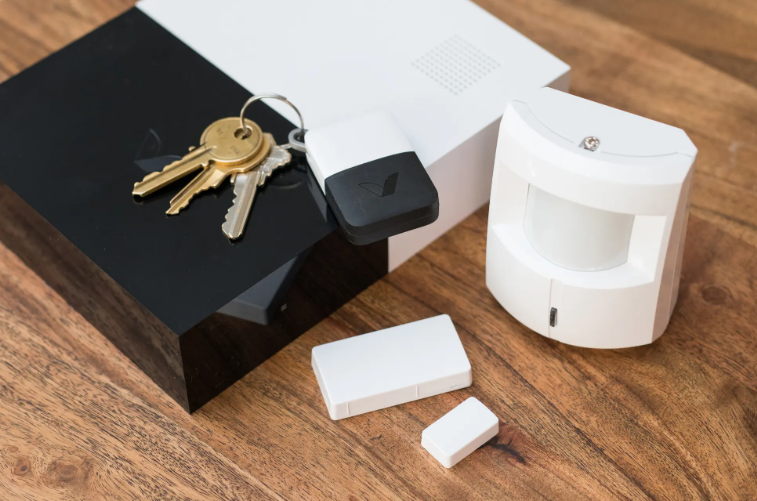
Detect unauthorised entry via doors or windows. Can be: Audible-only (makes noise). Monitored (alerts a security company). Smart systems (linked to apps and cameras)

Small, portable devices that emit a loud sound when activated. Used for personal protection, especially by vulnerable individuals.